


The Importance of Litter Box Monitoring for Cat Health
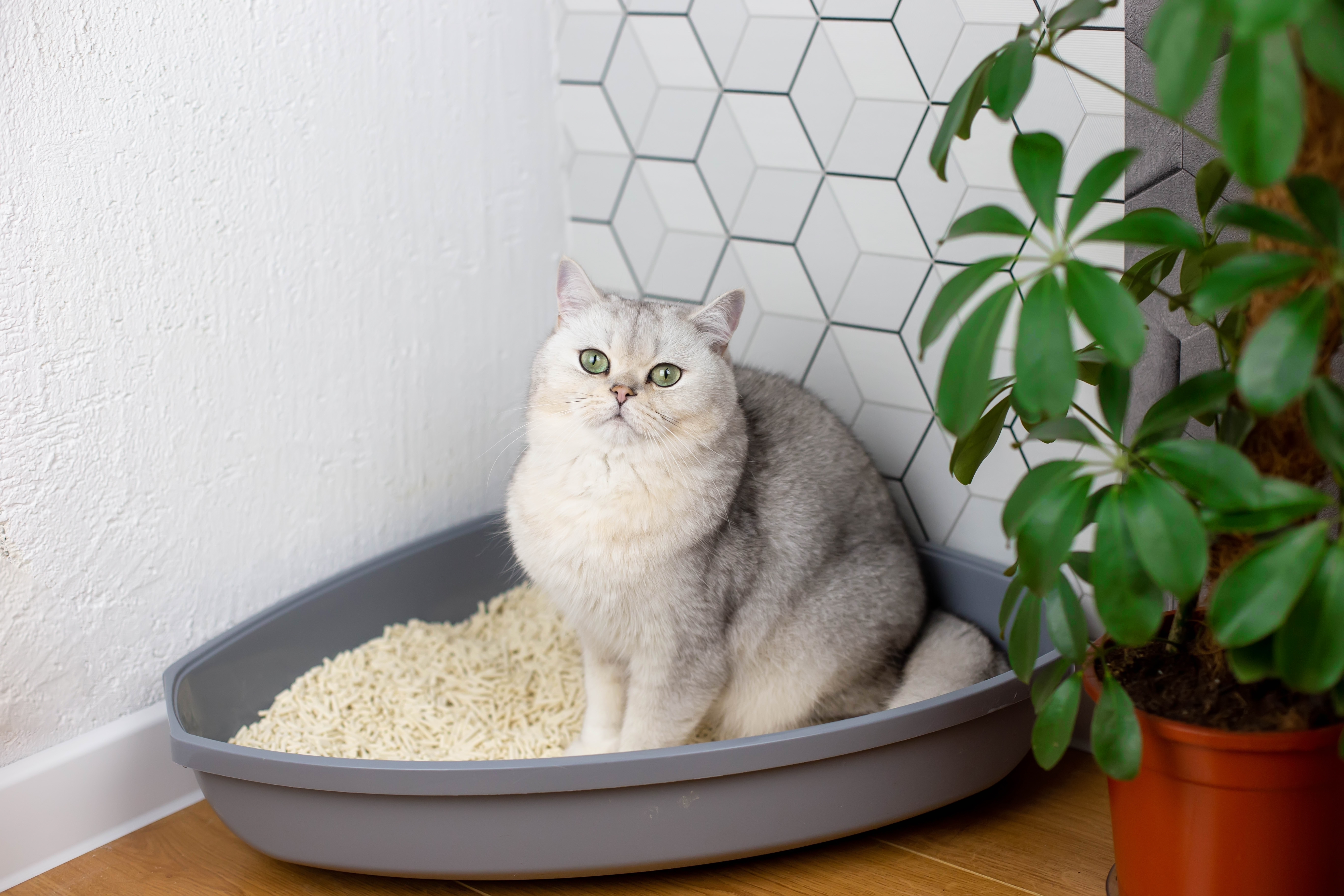
A cat’s litter box routine can say a lot about their health. Changes in frequency, stool quality, urination, or behavior around the box may be early signs of an underlying issue. By monitoring these habits closely, cat owners can take a more proactive approach to feline care.
Why the Litter Box Matters
A cat’s litter box habits often reflect what is happening internally. Changes in urination, stool quality, frequency, or behavior around the box can point to issues involving the urinary tract, digestive system, kidneys, stress levels, or mobility. Because many cats do not show obvious symptoms right away, the litter box can act as an early warning sign.
Changes Pet Owners Should Watch For
It is helpful to know what is normal for your cat so you can recognize what is not. Watch for signs such as:
- Urinating more or less often than usual
- Straining to urinate or defecate
- Blood in the urine or stool
- Diarrhea or constipation
- Crying, pacing, or repeated trips to the box
- Urinating or defecating outside the litter box
Even one of these changes can be worth a call to your veterinarian, especially if it appears suddenly.
Urinary Issues Can Become Serious Fast
Litter box monitoring is especially important for spotting urinary problems. Cats with urinary tract inflammation, crystals, infections, or blockages may strain, pass very small amounts of urine, or stop using the box normally. In male cats, a urinary blockage can become an emergency in a short amount of time. Early attention can make a major difference in treatment and recovery.
Digestive Clues Are Easy to Miss
A litter box also provides insight into digestive health. Loose stool, very hard stool, mucus, or a change in frequency may suggest food intolerance, parasites, dehydration, stress, or an underlying illness. If your cat has ongoing digestive changes, a veterinary exam can help identify the cause and guide the next steps.
Behavior Changes May Be Health Related
Many owners assume litter box issues are behavioral, but that is not always the case. A cat that avoids the box may be dealing with pain, arthritis, anxiety, or illness. Senior cats, in particular, may struggle to step into a high-sided box or reach the box in time. Looking at the full picture helps separate training concerns from medical needs.
Support Your Cat’s Health With Expert Care
Scooping daily makes it easier to notice changes right away. If you have more than one cat, keeping enough boxes in the home can also help you track habits more accurately. Regular wellness exams are just as important, since they allow your veterinarian to evaluate subtle symptoms before they progress.
If you have noticed changes in your cat’s litter box habits, contact Greenwood Village Veterinary Clinic for trusted veterinary care. Visit our office in Greenwood Village, Colorado, or call (303) 771-6304 today.


Hours
Monday 7:00 am - 6:00 pm
Tuesday 7:00 am - 6:00 pm
Wednesday 7:00 am - 6:00 pm
Thursday 7:00 am - 6:00 pm
Friday 7:00 am - 6:00 pm
Saturday 8:00 am - 12:00 pm
Sunday Closed
* Closed from 12:00pm-1:00pm for lunch Monday through Friday
Monday 7:00 am - 6:00 pm
Tuesday 7:00 am - 6:00 pm
Wednesday 7:00 am - 6:00 pm
Thursday 7:00 am - 6:00 pm
Friday 7:00 am - 6:00 pm
Saturday 8:00 am - 12:00 pm
Sunday Closed
* Closed from 12:00pm-1:00pm for lunch Monday through Friday

Powered by: 