


High-Altitude Hazards: Why Mid-Hike Lethargy, Intense Coughing, or Intermittent Limping Signals Hidden Colorado Trail Dangers
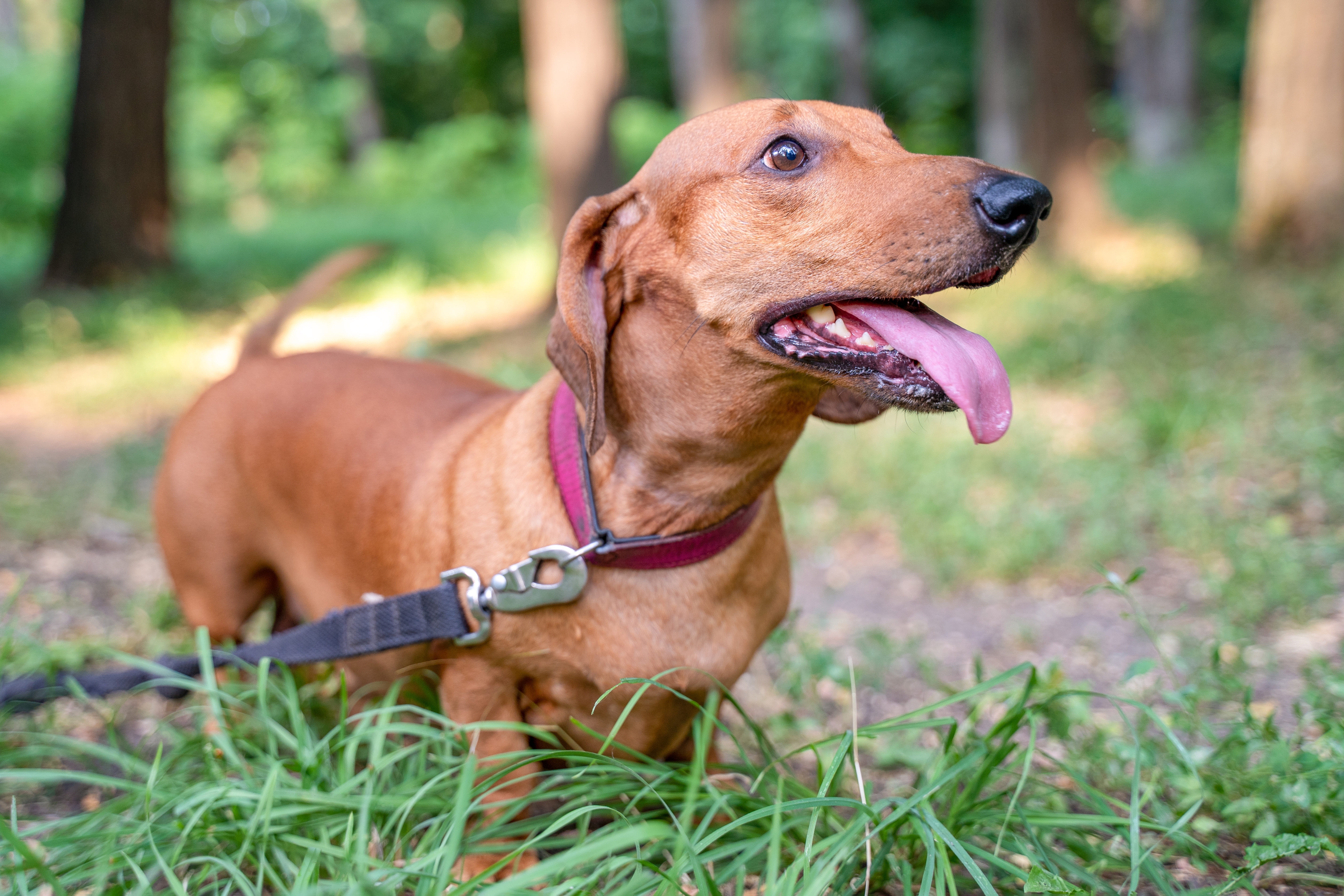
Colorado trails offer dogs plenty of opportunities for exercise and exploration, but hiking at elevation also exposes them to conditions they may not encounter on an everyday walk. Changes such as sudden lethargy, intense coughing, or intermittent limping should not simply be dismissed as normal fatigue. Recognizing these warning signs early can help prevent a minor trail problem from developing into a more serious health concern.
Sudden Lethargy Can Signal More Than Tiredness
A dog slowing down halfway through a hike may need a rest, but a noticeable drop in energy can also indicate that the body is struggling with elevation, heat, dehydration, or strenuous exercise.
Higher elevations contain less oxygen, which can make physical activity more demanding. Dogs that are not accustomed to mountain elevations may become tired more quickly. Older pets and dogs with underlying heart or respiratory problems may have an especially difficult time tolerating strenuous activity. If your dog suddenly falls behind, repeatedly lies down, seems weak, or refuses to continue, stop the hike and allow them to rest in a safe area.
Pay Attention to Intense or Persistent Coughing
Occasional throat clearing is different from repeated or forceful coughing. A cough that develops during or after a Colorado hike may be associated with airway irritation, respiratory illness, an inhaled foreign object, or an underlying heart or lung condition.
Grass awns and similar plant material can also enter a dog's nose or respiratory tract while exploring brush and tall grasses. These foreign materials can cause coughing, sneezing, nasal discharge, and irritation. Coughing accompanied by difficulty breathing, weakness, collapse, or abnormal gum color requires prompt veterinary attention.
Intermittent Limping Can Hide a Trail Injury
Rocky and uneven terrain can be hard on a dog's paws, muscles, and joints. A dog may briefly limp and then appear normal again, but that does not necessarily mean the problem has resolved.
Possible trail-related causes include:
• Cuts, abrasions, or punctures to the paw pads
• Thorns, grass awns, or debris lodged between the toes
• Torn or damaged nails
• Muscle, tendon, ligament, or joint injuries
After a hike, check your dog's paws, nails, and skin carefully. Repeated limping, licking one paw, swelling, or reluctance to put weight on a leg should be evaluated rather than ignored.
Know When It Is Time to End the Hike
Dogs often keep moving because they are excited to stay with their owners, even when something hurts. Do not rely solely on whether your dog is willing to continue.
Turn around and seek veterinary guidance if your dog develops unusual exhaustion, persistent coughing, breathing changes, repeated limping, or behavior that is noticeably different from normal. Severe breathing difficulty, collapse, significant trauma, or inability to bear weight may require immediate veterinary care.
If your dog develops unusual lethargy, coughing, limping, or other health concerns during or after an adventure, contact Greenwood Village Veterinary Clinic for veterinary care. Visit our office in Greenwood Village, Colorado, or call (303) 771-6304 today.


Hours
Monday 7:00 am - 6:00 pm
Tuesday 7:00 am - 6:00 pm
Wednesday 7:00 am - 6:00 pm
Thursday 7:00 am - 6:00 pm
Friday 7:00 am - 6:00 pm
Saturday 8:00 am - 12:00 pm
Sunday Closed
* Closed from 12:00pm-1:00pm for lunch Monday through Friday
Monday 7:00 am - 6:00 pm
Tuesday 7:00 am - 6:00 pm
Wednesday 7:00 am - 6:00 pm
Thursday 7:00 am - 6:00 pm
Friday 7:00 am - 6:00 pm
Saturday 8:00 am - 12:00 pm
Sunday Closed
* Closed from 12:00pm-1:00pm for lunch Monday through Friday

Powered by: 